Photo evidence
The clearest examples are the ones that show damage and repair.
These case studies avoid the simple claim that religion alone caused violence. A full mark answer needs causes, evidence and reconciliation.
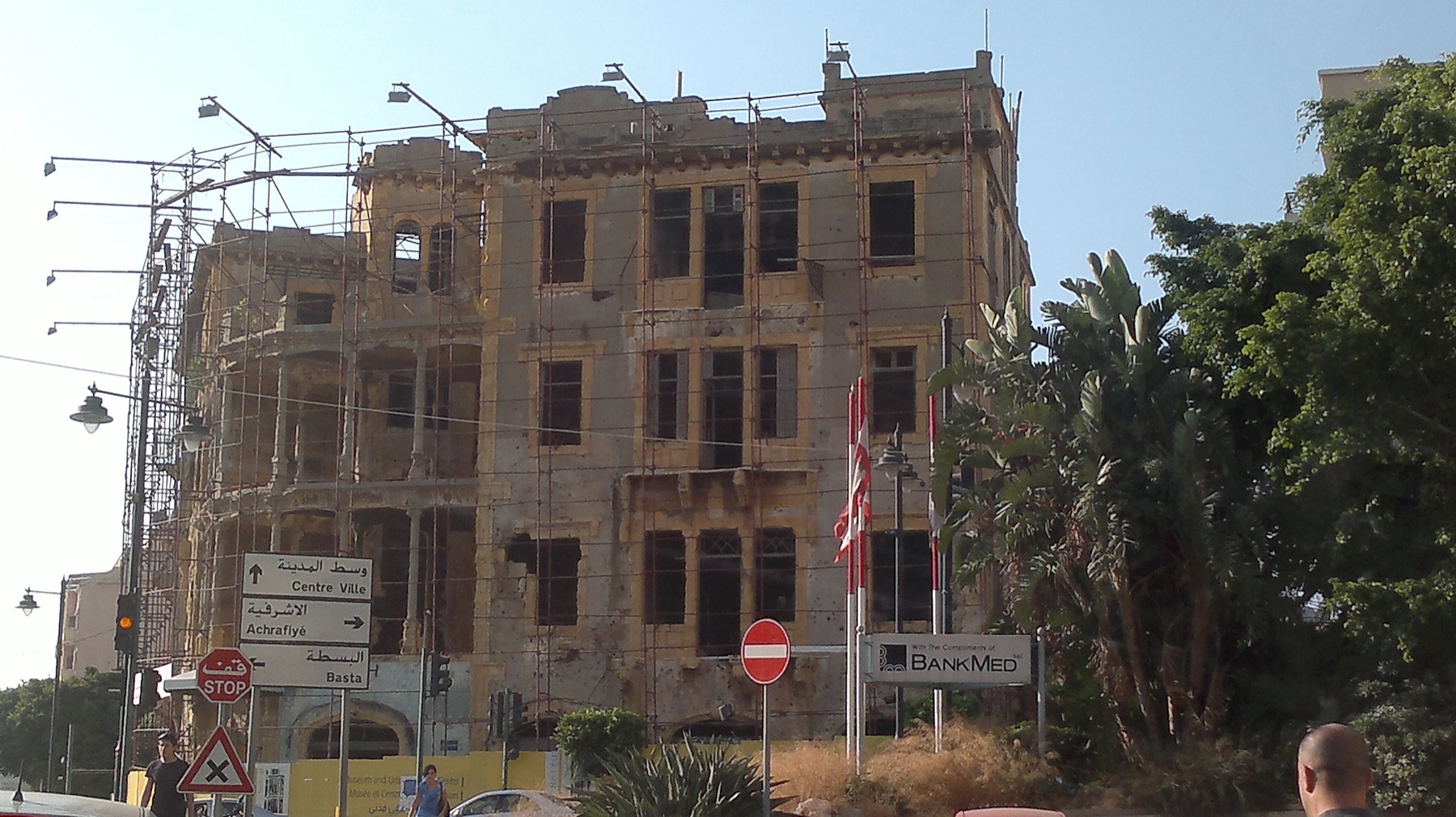
Lebanon, 1975 to 1990
Lebanese Civil War and the Taif Agreement
Lebanon is important because it shows how religion can become tied to politics. The conflict involved Christian and Muslim communities, but it was also about political representation, armed groups, foreign involvement and fear about who had power.
The reconciliation marker is the Taif Agreement. It did not make every problem disappear, but it helped end the war by changing the political system and giving Muslim and Christian representatives a more equal share of parliamentary seats.
Conflict
Religious identity became part of a wider struggle over power and security.
Reconciliation
The Taif Agreement created a formal peace pathway and adjusted power sharing.
Best judgement
This case proves that peace is stronger when systems are fair enough for communities to trust them.
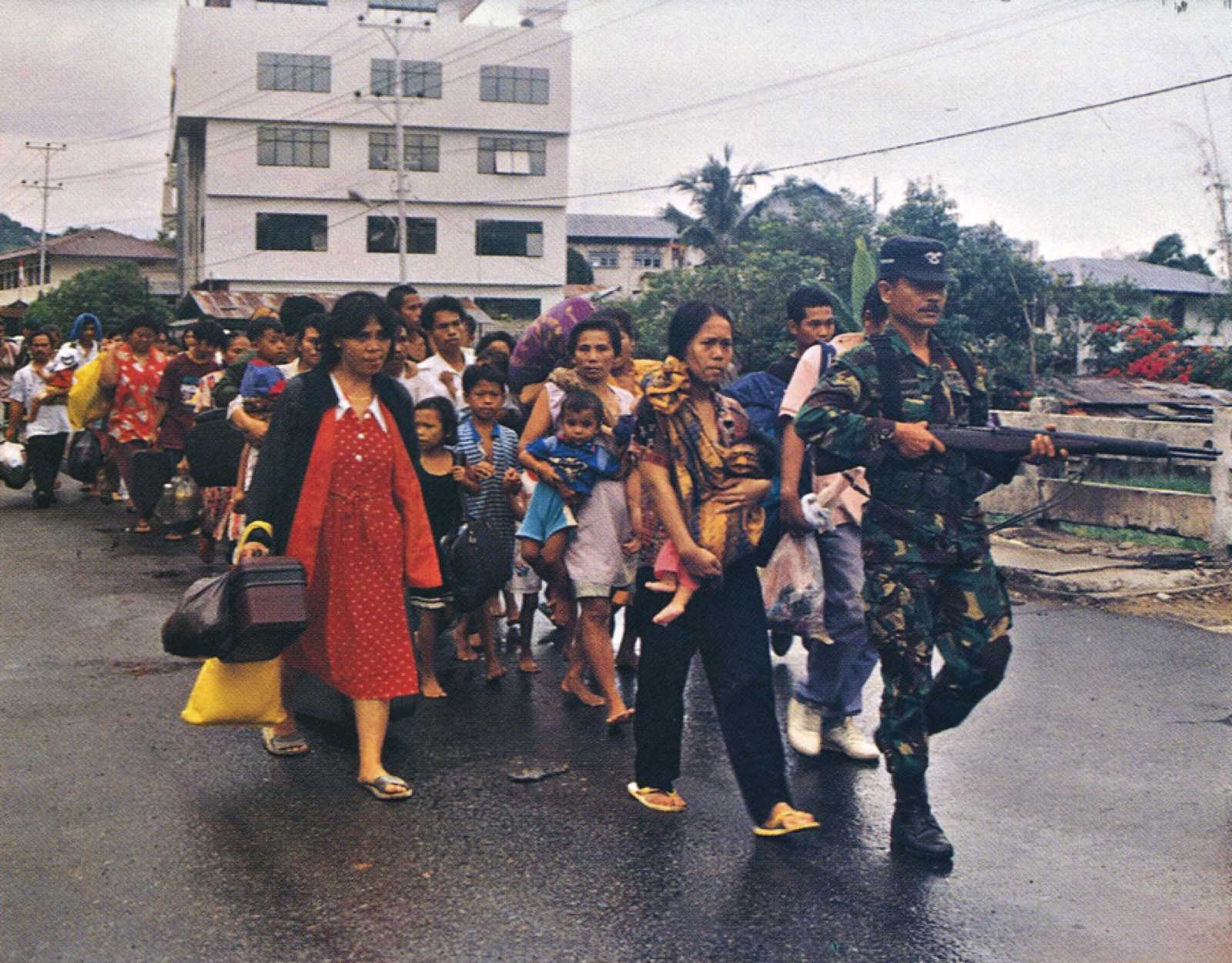
Indonesia, 1999 to 2002
Maluku Conflict and the Malino II Agreement
In Maluku, Christian and Muslim communities experienced serious violence after local disputes spread into wider religious conflict. The photo of Ambon refugees makes the human cost clear. Ordinary families were displaced while rumours and revenge made the conflict worse.
The reconciliation marker is the Malino II Agreement in 2002. Christian and Muslim delegates agreed to stop violence, support displaced people returning home and rebuild security. This is useful evidence because it is a real peace agreement, not just an opinion about peace.
Conflict
Fear and revenge turned community tension into religious violence.
Reconciliation
Malino II gave both sides written commitments that could be checked.
Best judgement
This case proves that dialogue matters most when it leads to clear action.
Nigeria, 1990s to 2000s
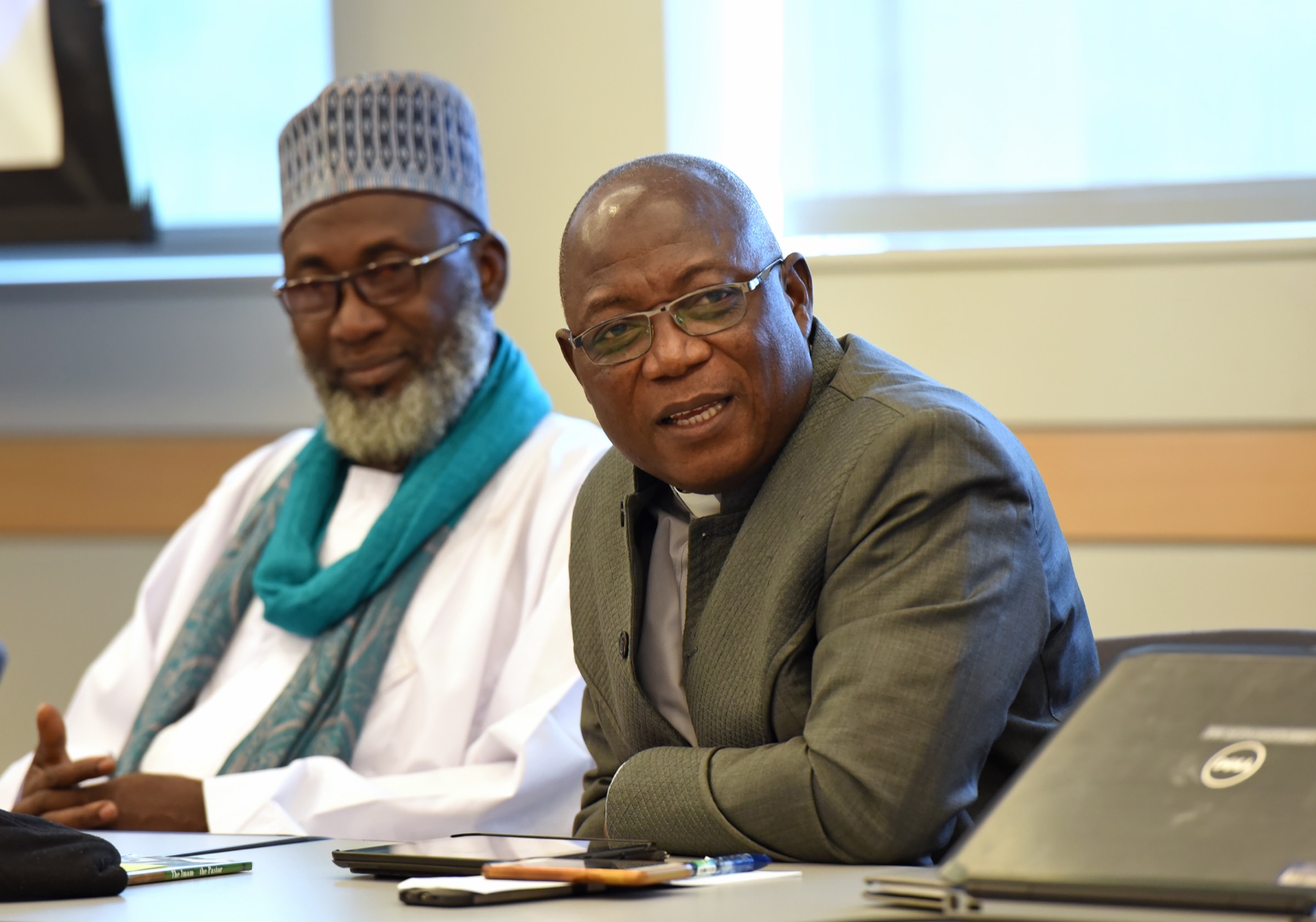
Pastor James Wuye, Imam Muhammad Ashafa and the Interfaith Mediation Centre
Nigeria is a strong case because it shows reconciliation through people, not only through documents. Pastor James Wuye and Imam Muhammad Ashafa were once on opposing sides of religious conflict. Both experienced loss and anger, then chose to work together.
Their Interfaith Mediation Centre helped Christian and Muslim communities speak honestly after violence in places such as Kaduna, Yelwa and Shendam. This makes the example powerful because the peacemakers understood the conflict from inside it.
Conflict
Religious identity was used to justify revenge and separation.
Reconciliation
Former enemies modelled forgiveness and trained communities in mediation.
Best judgement
This case proves that reconciliation is strongest when leaders turn belief into action.